
Introduction to Acute Myeloid Leukemia (AML)
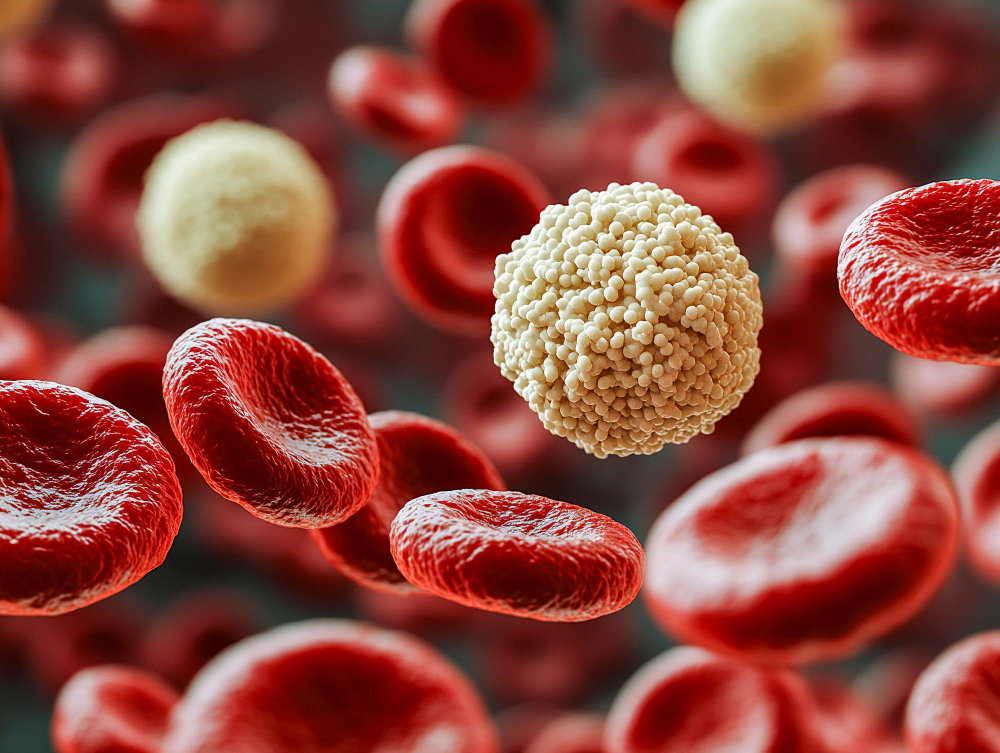
Acute Myeloid Leukemia (AML) is a type of blood cancer. It starts in the bone marrow, where new blood cells are made. In AML, the bone marrow makes too many abnormal white blood cells. These cells crowd out healthy blood cells. As a result, the body cannot fight infections well. AML can develop quickly, so early detection is important. According to the World Health Organization (WHO), AML is one of the most common types of leukemia in adults. However, it can also affect children. Understanding AML helps patients and families make informed decisions.
Symptoms of AML
AML symptoms can appear suddenly. Sometimes, they may be mild at first. But over time, they often get worse. Early signs can be similar to other illnesses. Therefore, it is important to watch for the following symptoms:
If you notice these symptoms, talk to a doctor. Early action can make a difference.
Causes and Risk Factors
Doctors do not always know what causes AML. However, several risk factors can increase the chance of developing it. Knowing these can help you stay alert. Some common risk factors include:
Even with these risks, many people with AML have no clear cause. But understanding risk factors can help with early detection.
Diagnosis Methods
Doctors use several tests to diagnose AML. First, they ask about symptoms and medical history. Next, they perform a physical exam. After that, they may order blood tests. These tests check for abnormal blood cells. If AML is suspected, a bone marrow test is often needed. In this test, a small sample of bone marrow is taken and checked under a microscope. Sometimes, genetic tests are also done. These help doctors choose the best treatment. Early and accurate diagnosis is key for better outcomes.
Treatment Options for AML
There are several AML treatment options. The choice depends on age, health, and the type of AML. Common treatments include:
Doctors may use one or more treatments together. Some people may also join clinical trials. These trials test new treatments. Always discuss options with your healthcare team.
Lifestyle Guidance for Patients and Families
Living with AML can be challenging. But there are ways to cope. For example, eating a balanced diet helps keep your strength. Getting enough rest is also important. In addition, try to avoid infections by washing your hands often. Support from family and friends can make a big difference. You may also want to join a support group. Talking to others who understand can help you feel less alone. Remember, it is okay to ask for help when you need it.
Prevention and Early Detection Tips
While you cannot always prevent AML, some steps may lower your risk. For instance, avoid smoking and limit exposure to harmful chemicals. If you have a family history of blood cancers, tell your doctor. Regular check-ups can help spot problems early. If you notice any AML symptoms, seek medical advice right away. Early detection often leads to better treatment results.
Conclusion
Acute Myeloid Leukemia is a serious but treatable condition. Knowing the symptoms, causes, and treatment options can help you take control. If you or a loved one has concerns about AML, consult a specialist or healthcare provider for personalized advice.