
What is Hodgkin’s Lymphoma?
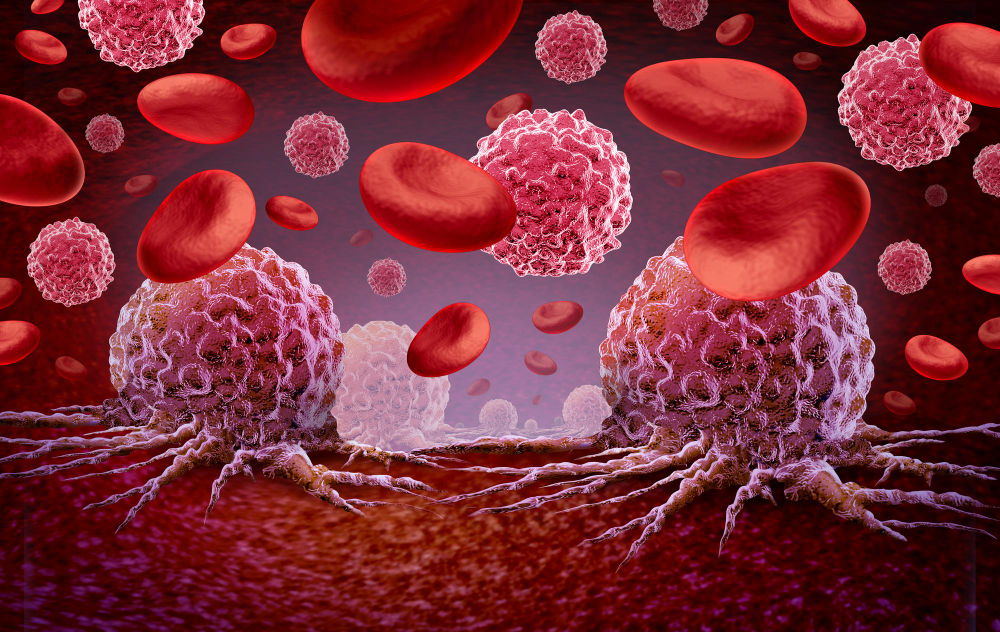
Hodgkin’s lymphoma is a type of blood cancer. It starts in the lymphatic system, which helps fight infections. In this disease, certain white blood cells called lymphocytes grow out of control. As a result, these cells form lumps, also known as lymph nodes. Although Hodgkin’s lymphoma is rare, it is one of the most treatable cancers. Early diagnosis and proper treatment can lead to good outcomes. According to the World Health Organization (WHO), this cancer affects people of all ages. However, it is most common in young adults and older adults.
Symptoms of Hodgkin’s Lymphoma
Often, symptoms of Hodgkin’s lymphoma can be mild at first. But as the disease grows, signs become more noticeable. For example, you may notice:
However, these symptoms can also be caused by other conditions. Therefore, it is important to see a doctor if you notice any of them.
Causes and Risk Factors
Doctors do not know the exact cause of Hodgkin’s lymphoma. Still, some factors can raise your risk. For instance, you may be at higher risk if you:
Even though these factors increase risk, many people with Hodgkin’s lymphoma have no clear risk factors. So, anyone can develop this disease.
How Hodgkin’s Lymphoma is Diagnosed
Doctors use several steps to diagnose Hodgkin’s lymphoma. First, they will ask about your symptoms and medical history. Next, they may check your lymph nodes. If they suspect lymphoma, they will order tests. These may include:
Once the diagnosis is confirmed, doctors will also determine the stage of the disease. This helps guide treatment choices. According to the CDC, early detection improves outcomes.
Treatment Options
Treatment for Hodgkin’s lymphoma depends on the stage and your overall health. Most people receive a combination of treatments. Common options include:
Because treatment can have side effects, your doctor will discuss the best plan for you. Many people recover fully, especially when treatment starts early.
Lifestyle Tips and Support
Living with Hodgkin’s lymphoma can be challenging. However, there are ways to cope and stay healthy. For example:
Additionally, many hospitals offer counseling and support services. These can help you manage stress and stay positive during treatment.
Prevention and Early Detection
There is no sure way to prevent Hodgkin’s lymphoma. Still, you can lower your risk by staying healthy and avoiding infections. For example, practice good hygiene and avoid risky behaviors. If you have a family history or other risk factors, tell your doctor. Early detection is key. Therefore, see your doctor if you notice swollen lymph nodes or other symptoms that do not go away. Regular check-ups can help catch problems early.
In summary, Hodgkin’s lymphoma is a serious but treatable cancer. With early diagnosis and the right care, many people recover. If you have concerns or symptoms, consult a healthcare specialist for advice tailored to you.