
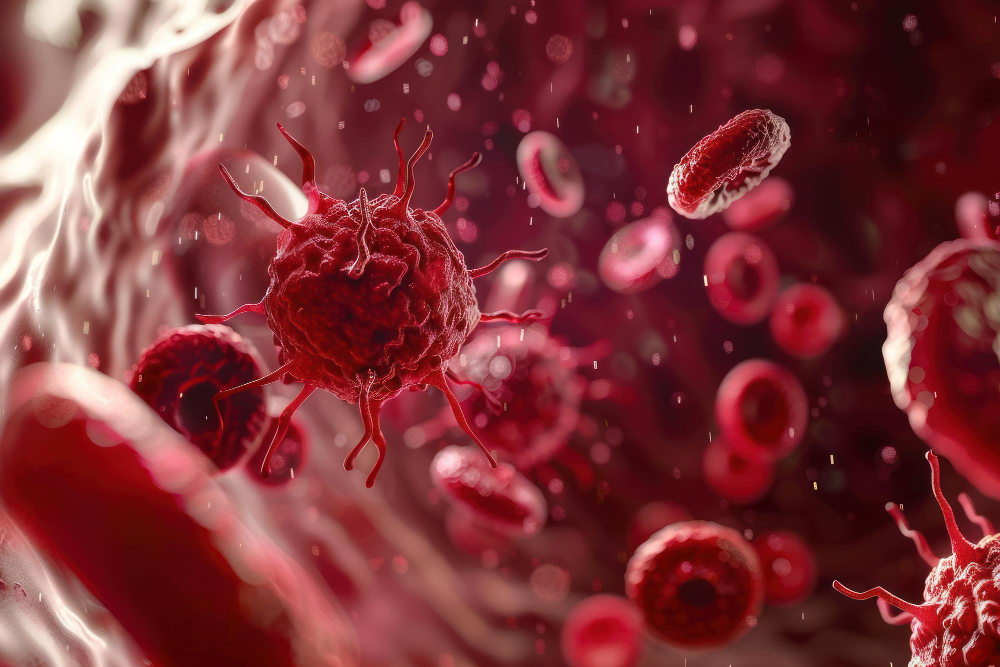
What is Blood Cancer?
Blood cancer is a disease that affects how your blood cells work. It starts in the bone marrow, where blood cells are made. There are different types, such as leukemia, lymphoma, and myeloma. Each type affects the body in its own way. However, all blood cancers can change how your body fights infections and carries oxygen. Because of this, knowing the early symptoms of blood cancer is very important.
Why Early Detection Matters
Early detection of blood cancer can save lives. When you spot symptoms early, you can get treatment sooner. As a result, your chances of recovery improve. According to the World Health Organization (WHO), early diagnosis often leads to better outcomes. In addition, it may reduce the need for aggressive treatments. Therefore, paying attention to changes in your body is key.
Common Early Symptoms of Blood Cancer
Blood cancer symptoms can be mild at first. Sometimes, they look like signs of other common illnesses. Still, it is important to notice these changes. Here are some early symptoms to watch for:
Although these symptoms can have other causes, they should not be ignored. If you notice more than one, it is wise to talk to a doctor.
When to Seek Medical Help
Sometimes, symptoms may seem minor. However, you should seek medical help if:
For example, if you feel tired every day and also notice bruising, do not wait. Instead, make an appointment with your healthcare provider. Early action can make a big difference.
How Blood Cancer is Diagnosed
Doctors use several tests to diagnose blood cancer. First, they may ask about your symptoms and medical history. Next, they will do a physical exam. After that, they may order blood tests to check your blood cell counts. Sometimes, a bone marrow test is needed. This test looks for cancer cells in your bone marrow. Imaging tests, like X-rays or CT scans, can also help. According to the CDC, early and accurate diagnosis is important for starting the right treatment.
Tips for Monitoring Your Health
It is important to keep track of your health. Here are some tips to help you notice changes early:
By staying alert, you can help catch problems early. This may lead to better outcomes.
Prevention and Lifestyle Guidance
While you cannot always prevent blood cancer, healthy habits can support your overall well-being. For instance, you can:
Even though these steps cannot guarantee prevention, they can help you stay healthier and may lower your risk.
Conclusion
In summary, knowing the early symptoms of blood cancer can help you get care sooner. Watch for signs like tiredness, frequent infections, and easy bruising. If you notice any early symptoms of blood cancer, consult a healthcare specialist for personalized guidance.