
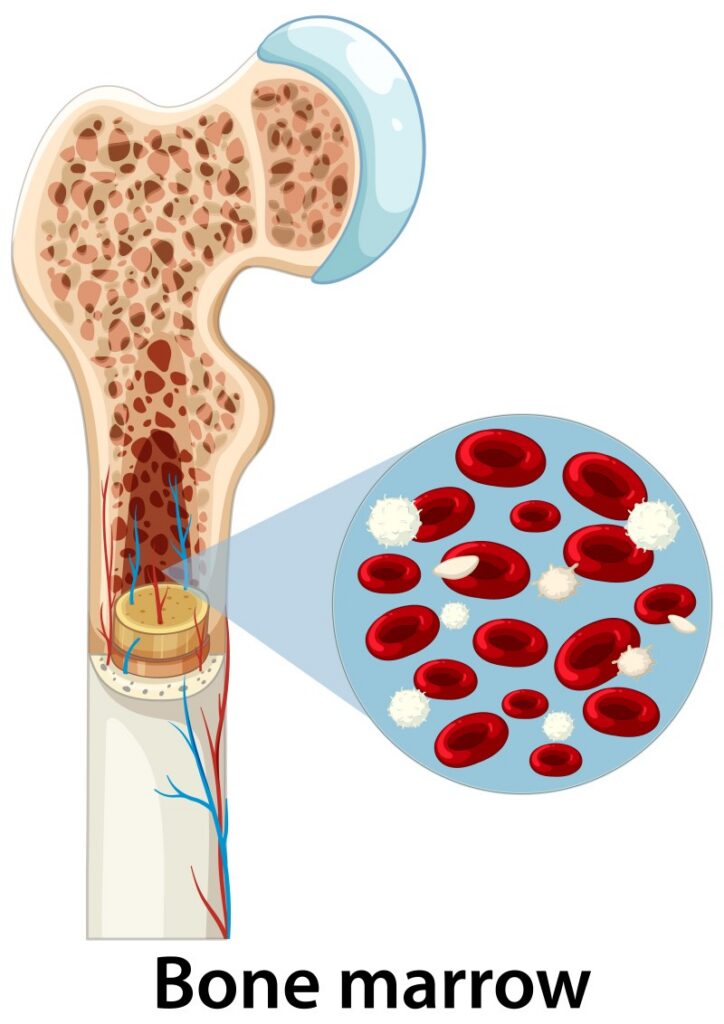
A bone marrow transplant, also known as a stem cell transplant, is a medical procedure that replaces damaged or diseased bone marrow with healthy blood-forming stem cells. It is used to treat certain blood cancers, bone marrow disorders, and other serious conditions affecting blood cell production. The procedure helps restore the body’s ability to produce healthy red blood cells, white blood cells, and platelets.
A bone marrow transplant involves replacing unhealthy or damaged stem cells with healthy stem cells that can develop into new blood cells. These stem cells may be collected from the patient or a compatible donor, depending on the underlying condition and treatment plan.
Bone marrow transplantation is often recommended when the bone marrow is unable to produce healthy blood cells or when intensive treatment has damaged the existing marrow. It can help restore blood cell production and, in certain conditions, provide a potential cure.
Autologous Transplant: Stem cells are collected from the patient’s own blood or bone marrow, stored, and reinfused after high-dose chemotherapy.
Allogeneic Transplant: Healthy stem cells are obtained from a compatible donor, such as a sibling, relative, or unrelated donor.
Haploidentical Transplant: Stem cells are collected from a partially matched family donor, often a parent, child, or sibling.
Umbilical Cord Blood Transplant: Stem cells collected from donated umbilical cord blood are used for transplantation in selected patients.
Bone marrow transplantation may be recommended for certain conditions, including:
Acute leukaemia
Hodgkin and Non-Hodgkin lymphoma
Multiple myeloma and other plasma cell disorders
Aplastic anaemia
Myelodysplastic syndromes (MDS)
Certain inherited blood disorders, including thalassemia and sickle cell disease
Selected immune deficiency disorders
A bone marrow transplant may be considered for patients whose bone marrow is affected by cancer, severe blood disorders, inherited conditions, or treatment-related damage. The decision depends on the diagnosis, disease stage, age, overall health, donor availability, and expected benefits and risks of transplantation.
The transplant process generally involves several stages:
Pre-transplant Evaluation: Comprehensive medical assessments, blood tests, organ function tests, and donor compatibility testing.
Stem Cell Collection: Stem cells are collected from the patient or a suitable donor through peripheral blood or bone marrow harvesting.
Conditioning Therapy: Chemotherapy, with or without radiation, is administered to prepare the body for transplantation.
Stem Cell Infusion: Healthy stem cells are infused into the bloodstream through a central venous catheter.
Engraftment and Recovery: The transplanted stem cells begin producing new blood cells, followed by close monitoring for complications and recovery.
Bone marrow transplantation is a complex procedure that requires specialized care. Potential complications may include:
Infections due to weakened immunity
Bleeding and low blood cell counts
Graft-versus-host disease (GVHD) following an allogeneic transplant
Organ-related complications
Infusion-related reactions
Delayed engraftment or graft failure
Fatigue, nausea, and other treatment-related side effects
Recovery following a bone marrow transplant varies depending on the transplant type, underlying disease, and individual response to treatment. Patients require regular blood tests, infection monitoring, supportive medications, nutritional guidance, and follow-up consultations. Long-term monitoring helps identify complications early and supports recovery, immune system restoration, and overall well-being.
Early evaluation and timely referral to a specialized transplant centre can help determine the most appropriate treatment approach for patients requiring bone marrow transplantation.